
The Scripture Guide
Ask. Across nine faiths.
One question. Nine perspectives. Original sources.
Ask meaningful questions about faith, life, spirituality and the human experience — and explore thoughtful perspectives from nine religious traditions, backed by their original sources.
Answers are AI-assisted, drawn from nine traditions and linked to original sources. No account needed.
An example answer
What an answer looks like
Every response follows the same shape: a brief overview, one perspective per tradition, where the traditions overlap and differ, and the sources behind each claim.
Example question
What do different religions say about forgiveness?
Forgive others as God forgives you; Jesus tells Peter to forgive 'seventy-seven times'.
Proportionate response is permitted, but pardoning and reconciling is praised as the higher path.
Forgiveness follows repentance; a wrong against a person must be made right with that person.
'Where there is forgiveness, there is God Himself.'
Do not dwell on the sins of others while you are yourself imperfect.
Wrongdoing is treated as impurity to be cleansed through purification rather than guilt to be pardoned.
Where they overlap
- All nine treat resentment and vengeance as spiritually corrosive.
- Most connect forgiving others with one's own standing before God, one's own liberation, or restored harmony.
Where they differ
- Judaism (and much of Islam) foregrounds the wrongdoer's repentance and repair; Christianity and Buddhism place more weight on the injured person's unconditional release.
- Buddhism frames forgiveness without reference to a God who forgives — as freeing one's own mind.
Condensed for illustration — every citation above was checked against the linked edition.
View sources →Explore the traditions
Nine traditions. One library.
Each tradition has its own page: an introduction, primary scriptures, major concepts, common questions and relevant passages — plus a way to ask the Guide about that tradition alone.

Christianity
A monotheistic tradition centred on the life, death and resurrection of Jesus of Nazareth, read through the Bible.
The Bible (Hebrew Scriptures / Old Testament and New Testament)
Explore Christianity →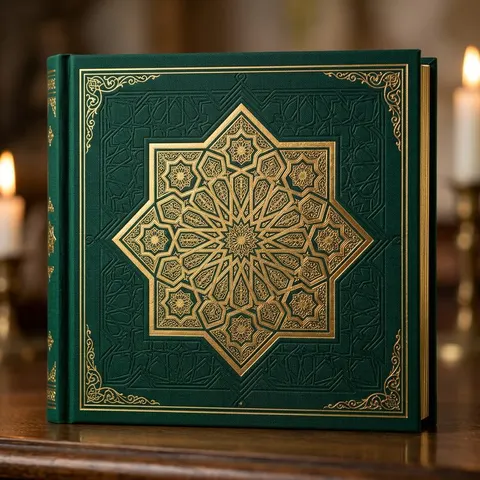
Islam
A monotheistic tradition founded on the Qur'an, understood by Muslims as God's final revelation given through the Prophet Muhammad.
The Qur'an; the Hadith (reports of the Prophet's words and deeds)
Explore Islam →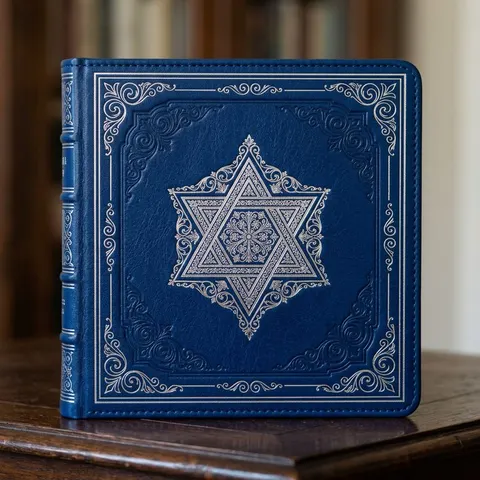
Judaism
The tradition of the Jewish people, rooted in the covenant at Sinai and lived through Torah, commandments and rabbinic interpretation.
The Tanakh (Torah, Prophets, Writings); the Talmud and rabbinic literature
Explore Judaism →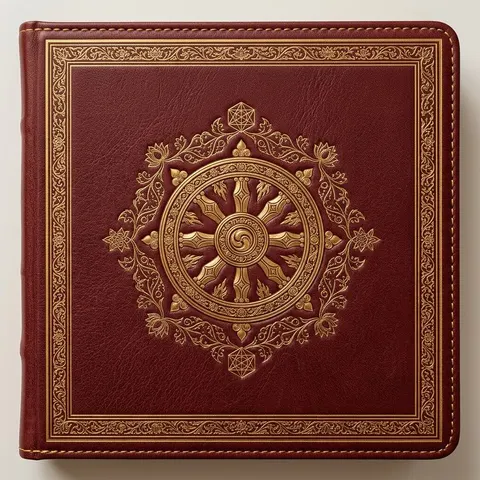
Buddhism
A tradition arising from the teaching of Siddhartha Gautama, the Buddha, focused on the nature of suffering and the path to liberation.
The Pali Canon (Tipitaka), including the Dhammapada; Mahayana sutras
Explore Buddhism →
Hinduism
A family of traditions from the Indian subcontinent sharing the Vedas, the ideas of dharma, karma and moksha, and a rich diversity of paths.
The Vedas and Upanishads; the Bhagavad Gita; the epics and Puranas
Explore Hinduism →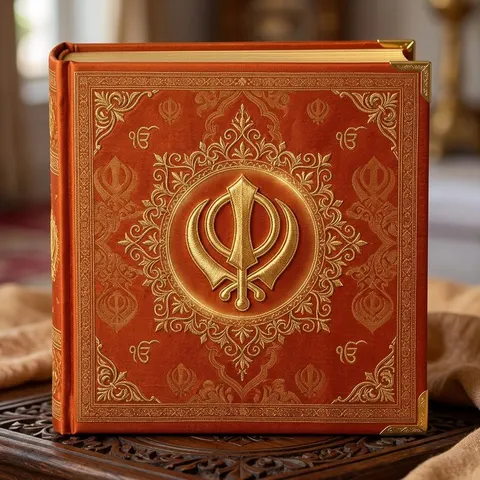
Sikhism
A monotheistic tradition founded by Guru Nanak in fifteenth-century Punjab, centred on the Guru Granth Sahib.
The Guru Granth Sahib (Adi Granth)
Explore Sikhism →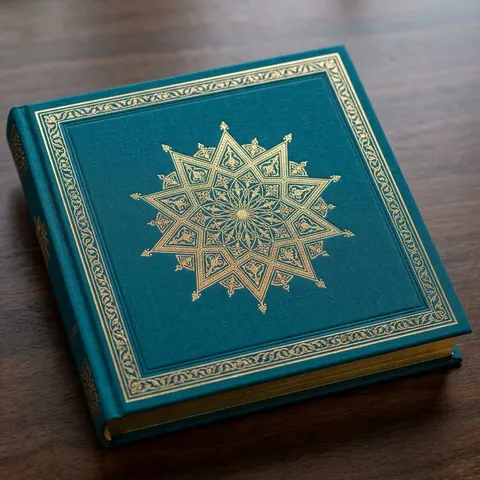
Bahá'í Faith
A religion founded by Bahá'u'lláh in nineteenth-century Persia, teaching the unity of God, of religion and of humanity.
The writings of Bahá'u'lláh — Kitáb-i-Aqdas, Kitáb-i-Íqán, Hidden Words, Gleanings — and of 'Abdu'l-Bahá
Explore Bahá'í Faith →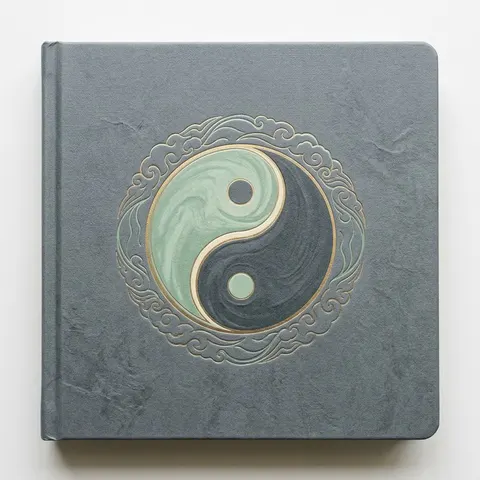
Taoism
A Chinese tradition of philosophy and religion oriented around the Tao (Dao), the natural Way of all things.
The Tao Te Ching (Daodejing); the Zhuangzi
Explore Taoism →
Shinto
Japan's indigenous tradition of reverence for kami — sacred presences in nature, ancestors and place — expressed through shrine practice.
The Kojiki and Nihon Shoki (mythic-historical chronicles); norito (ritual prayers)
Explore Shinto →Compare perspectives
Choose the traditions. Ask one question.
Select any combination and the Guide answers side by side. No ranking, no verdicts — just what each tradition teaches, in its own terms.
Scripture explorer
Go to the source.
Pick a tradition, a text and a theme, and read the passages behind the answers. Each links to a public reference edition; each can be sent to the Guide as a question.
Example — Christianity → The Bible → “forgiveness”
Forgiving others is linked to receiving God's forgiveness.
Forgive 'seventy-seven times'.
Forgive one another as God in Christ has forgiven you.
Available themes
Every passage in the Explorer was checked against a reference edition before publishing. If we cannot verify a citation, we do not publish it.
Explore ScripturePopular questions
Start with a question people actually ask.
Each question opens a full comparison across the nine traditions, with sources.
Purpose
Death
Forgiveness
How the Scripture Guide works
Four steps from question to source.
Ask freely
Type any question about life, faith or meaning — or start from the library. No account or wallet is needed.
Explore perspectives
Read an overview, then one section per tradition in its own vocabulary, with where they overlap and where they differ.
Verify the sources
Every perspective links to book, chapter and verse in a public reference edition, so you can check the wording yourself.
Go deeper
Compare a smaller set of traditions, open a tradition page, or follow a passage into the original text. The Guide is the starting point, not the last word.
Built for curiosity, not conversion
Understanding, not persuasion.
The Scripture Guide does not promote any religion, rank traditions, or judge which is correct. Its purpose is understanding: to help readers see what each tradition teaches, in its own words, and to make the original texts easier to find.
Nine traditions, one question
Ask once and read how Christianity, Islam, Judaism, Buddhism, Hinduism, Sikhism, the Bahá'í Faith, Taoism and Shinto each approach it.
Original sources
Claims are tied to passages you can open — the Bible, Qur'an, Tanakh and Talmud, Pali Canon, Gita and Upanishads, Guru Granth Sahib, Bahá'í writings, Tao Te Ching, Kojiki.
Neutral by design
No ranking, no verdicts, no proselytizing. Where communities within a tradition disagree, we say so plainly instead of flattening them into one voice.
Free to use
Asking, comparing and reading scripture need no account and cost nothing. Signing in is an optional extra, not a requirement.
The Scripture Guide uses artificial intelligence to help organize and explain religious texts and traditions. AI-generated responses may contain errors or omissions. When accuracy is important, consult the original scripture and authoritative sources.
The Faith Vault
Part of a larger ecosystem.
The Faith Vault is a digital ecosystem for faith, knowledge, reflection and creativity. The Scripture Guide is its knowledge layer.
Scripture Guide
Ask questions across nine traditions and read the sources behind the answers.
You are here Reflect.Divine Reader
Read and listen to sacred texts at your own pace, with a personal account for saving your place.
Open Divine Reader ↗ Create.Religion Relief
An AI-assisted studio for devotional music across traditions, with tradition-specific pages and clear AI disclosure.
Open Religion Relief ↗Frequently asked questions
Common questions about the Guide.
What is The Scripture Guide?
An interfaith reference tool. You ask a question about life, faith or meaning, and the Guide organizes what nine religious traditions teach about it — each in its own terms — with citations to their primary texts.
Are the answers AI-generated?
Live answers to your own questions are AI-assisted. The question library, tradition pages and Scripture Explorer are editorial pages whose citations were checked against reference editions. Either way, the Guide is a starting point — the original texts are the authority.
Where do the citations come from?
From the primary texts of each tradition, linked to public reference editions: Bible Gateway (NRSVUE), Quran.com, Sefaria, SuttaCentral and Access to Insight, holy-bhagavad-gita.org, SikhiToTheMax, the Bahá'í Reference Library, the Chinese Text Project and Sacred Texts. See Our Sources for the full list.
Is the Guide free?
Yes. The core experience is free. Optional paid access passes may be offered in future for heavy use; nothing on the site is gated today.
How do you handle differences within a religion?
We name them. Catholic, Orthodox and Protestant; Sunni and Shi'a; Theravada and Mahayana; Orthodox, Conservative and Reform — when a question turns on such differences, the Guide says so rather than flattening a tradition into one voice.
Is The Scripture Guide affiliated with any religion?
No. It is an independent project of The Faith Vault and does not represent or promote any religious organization.